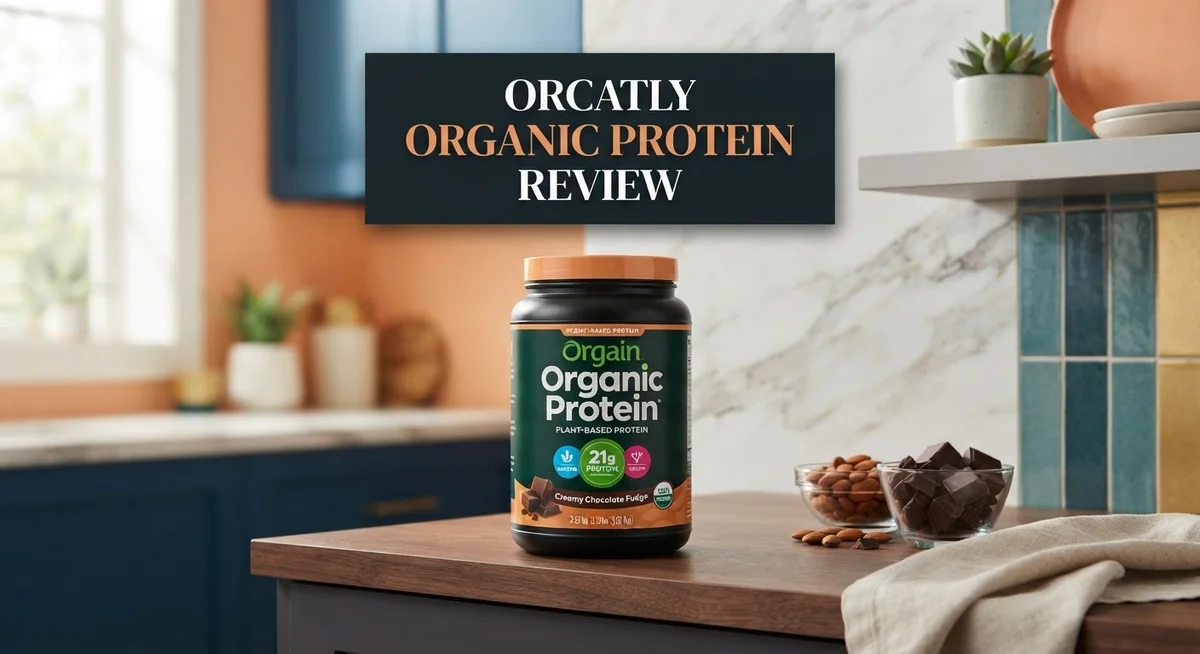
Orgain Organic Protein Review: Is It Worth The Hype?
Looking for a clean protein powder that actually works? Orgain Organic Protein might be your answer.
This plant based powder packs 21 grams of protein into every scoop. It also adds 7 grams of prebiotic fiber to support your gut.
People love it for its organic ingredients. There’s no soy, no dairy, and it stays gluten free.
The sugar content stays low too. You get less than 1 gram of added sugar per serving.
But does it taste good? Many reviewers say yes. Orgain earns a solid 4.5 out of 5 star rating from happy customers.
Still, no product is perfect. Some users report bloating or stomach upset from the pea protein base.
Others feel the flavors taste too sweet for their liking. If you take GLP-1 medications like Ozempic, you may want to check with your doctor first.
In this review, we break down everything you need to know. We cover the good, the bad, and how Orgain stacks up against competitors like Form Pureblend and NorCal Organic.
Let’s find out if this protein powder deserves a spot in your kitchen.
In a Nutshell
Here’s a quick summary before you scroll further.
-
Digestive support comes from 7g of prebiotic fiber in every scoop. This helps your gut stay happy alongside the protein boost.
-
Pea protein is the main source. Some users notice bloating or mild stomach upset after drinking it.
-
If you take GLP-1 medications like Ozempic or Wegovy, check with your doctor first. This powder may add to digestive side effects.
-
The greens blend variant offers 15g protein per serving. It’s a bit lower than the vanilla bean option but adds extra veggies to your day.
-
Mixability is not perfect. Plant proteins like this one don’t dissolve as smoothly as whey, so expect some texture in your shake.
-
Customers rate it 4.5 out of 5 stars on average. Most buyers seem happy with their purchase overall.
-
Want alternatives? Form Pureblend Protein and NorCal Organic Pea Protein Isolate are worth comparing too.
Nutritional Profile and Ingredient Quality
Orgain Organic Protein delivers a straightforward nutritional package built around plant-based sources. The powder contains 21 grams of protein per serving, which ranks solidly for meal replacement or post-workout use. The greens variant drops this to 15 grams but adds micronutrient density from vegetable powders.
The ingredient list reflects a genuine commitment to organic sourcing. Every component carries USDA Organic certification, meaning no synthetic pesticides or GMOs sneak into your shake. The powder is vegan, gluten-free, and free from soy and dairy, making it accessible for most dietary restrictions.
Fiber content matters here too. Seven grams of prebiotic fiber per serving supports digestive health and keeps you fuller longer. This combination of protein plus fiber makes the powder useful for people managing blood sugar or working toward sustained energy throughout their day.
Sugar stays minimal at less than one gram per serving. This low amount sets it apart from many flavored protein powders that hide added sugars. The sweetness comes from stevia and sugar alcohols instead, which some people appreciate and others find too intense.
Pea protein forms the foundation of this formula. It’s a complete protein with all nine essential amino acids, but it comes with a catch. Some users report bloating, gas, or mild stomach discomfort after consuming pea protein products. Your digestive system may need time to adapt, or you might experience ongoing sensitivity.
One important note: if you take GLP-1 medications like Ozempic or Wegovy, discuss this protein powder with your doctor first. The combination of protein, fiber, and these medications can occasionally cause nausea or digestive issues in certain people.
Mixability presents a minor drawback. Plant proteins don’t dissolve as smoothly as whey-based options, so expect some grittiness or separation. A blender works better than a shaker bottle for achieving a uniform texture.
The ingredient quality genuinely stands out for an organic product. You won’t find artificial flavors, colors, or preservatives lurking in the formula. What you see on the label is what you actually consume.

- CLEANER INGREDIENTS: 21g of Organic plant based protein and 1g sugar. Our protein blend contains...
- HIGHER STANDARDS: This product is vegan, contains no erythritol, gluten-free, kosher, made without...

Last update on 2026-11-06 / Affiliate links / Images from Amazon Product Advertising API
Taste, Mixability, and Texture
Orgain Organic Protein has a reputation for tasting pretty good. Most people enjoy the vanilla bean flavor. The greens blend variant also gets positive feedback from customers who want extra nutrients in their shake.
Mixability is where this powder shows some limitations. Plant based proteins don’t dissolve as smoothly as whey based options. You might notice some grittiness or clumps when you first mix it. A few extra seconds of stirring usually helps, but it won’t achieve that silky smooth texture you get from dairy proteins.
The texture comes across as slightly thick and creamy. Many reviewers appreciate this quality because it makes the shake feel more substantial. You can drink it as is, or add extra liquid if you prefer a thinner consistency.
Flavor is a mixed bag for some people. While most users love the taste, a notable group finds the vanilla bean option too sweet. If you’re sensitive to sweetness, start with a smaller serving or mix it with unsweetened almond milk to dilute the flavor.
The greens blend variant tastes earthy and mild. It blends well into smoothie bowls or mixed with fruit. Some people say it masks the “green” taste better than other organic powders.
One thing to keep in mind: pea protein can cause bloating or digestive upset in some individuals. This happens more often with plant based proteins than whey. Your stomach might need time to adjust if you’re new to pea protein formulas.
If you take GLP-1 medications like Ozempic or Wegovy, talk to your doctor before adding this to your routine. The fiber content and protein combination can interact with these medications.
Overall, Orgain Organic Protein tastes solid and mixes reasonably well for a plant based option. The texture feels satisfying, though you won’t get the smooth blend of whey powders. The sweetness level might be your biggest deciding factor here.
Certifications and Dietary Suitability
Orgain Organic Protein carries several important certifications that matter if you follow specific dietary paths. The powder holds USDA Certified Organic status, which means the ingredients meet strict government standards for organic farming and production.
This product is completely vegan, making it suitable for plant based eaters who avoid all animal products. The formula contains no dairy whatsoever, so people with lactose sensitivity can use it without worry. It’s also gluten free, which helps those managing celiac disease or gluten sensitivity.
One major selling point is that Orgain excludes soy entirely. Many people avoid soy due to allergies, sensitivities, or personal preference. The absence of soy makes this powder accessible to a wider audience looking for clean plant based options.
The protein source comes from peas, which is naturally free from common allergens. However, pea protein can trigger bloating or digestive upset in certain individuals. If you experience GI sensitivity, start with a smaller serving to test your tolerance.
If you take GLP 1 medications like Ozempic or Wegovy, you should speak with your doctor before adding this powder to your routine. These medications affect appetite and digestion, and protein powder could interact with how your body responds to the medication.
The prebiotic fiber content supports digestive health for most users. Seven grams of fiber per serving feeds good gut bacteria and promotes regularity. This makes Orgain a solid choice for people seeking digestive support alongside protein intake.
Sugar content stays below one gram per serving, which fits well into low sugar diets and keto approaches. The minimal added sugar means you’re getting protein without unnecessary sweetness from sugar alcohols or artificial sweeteners.
For people managing diabetes or monitoring blood sugar levels, this low sugar profile is genuinely helpful. The organic certification combined with these dietary features creates a powder that works for multiple dietary approaches simultaneously.
Top 3 Alternatives
Garden of Life Raw Organic

- WHAT'S THE SCOOP: Build and repair muscle and reduce recovery time with 22g of complete plant based...
- DOWNRIGHT DELICIOUS: We’re taking a stand against chalky; Not only is this plant protein powder...
Last update on 2026-11-06 / Affiliate links / Images from Amazon Product Advertising API
Garden of Life Raw Organic uses whole food ingredients to create a protein powder. This option contains enzymes and probiotics that support digestion. The powder mixes well with water or milk and tastes smooth.
Garden of Life focuses on clean sourcing. You get protein from organic sources without artificial sweeteners. The brand avoids synthetic additives and fillers. Many people choose this option for its minimal ingredient list.
Vega Protein Powder

- 25G PEA PROTEIN POWDER TO FUEL YOUR DAY - Get clean fuel without the crash. This high protein vegan...
- PROTEIN POWDER FOR SMOOTHIES & NO-CLUMP BAKING – Toss it in your morning plant protein shake or...
Last update on 2026-11-06 / Affiliate links / Images from Amazon Product Advertising API
Vega Protein Powder comes from plant-based sources like pea, hemp, and pumpkin seed. This powder works well for vegans and vegetarians. The formula includes amino acids and antioxidants.
Vega mixes easily into smoothies and shakes. The taste is mild and blends with fruits or vegetables. This option provides complete protein with all nine essential amino acids. People appreciate the clean label and lack of artificial ingredients.
Isopure Zero Carb

- 25g of high-quality protein per serving to support daily protein needs
- Ultra-filtered protein to remove excess fat, carbs and sugars
Last update on 2026-11-06 / Affiliate links / Images from Amazon Product Advertising API
Isopure Zero Carb delivers pure whey protein isolate. This powder contains no carbohydrates or sugar, making it ideal for low-carb diets. The formula mixes quickly and tastes crisp.
Isopure focuses on simplicity. You get protein and little else. The powder dissolves instantly in water or any beverage. This option works well for people tracking macros closely or following strict diet plans.
Each alternative offers different benefits. Garden of Life appeals to those wanting whole food nutrition. Vega suits plant-based eaters seeking amino acid balance. Isopure serves people prioritizing low-carb, high-protein intake.
Digestive Impact and Potential Side Effects
Most people tolerate Orgain Organic Protein well. The formula includes 7g of prebiotic fiber per serving, which supports digestive function for many users.
Pea protein can trigger bloating or gas in some individuals. This happens because pea protein contains compounds that your gut bacteria ferment. If you experience this, start with a smaller serving size. You can gradually increase the amount as your digestive system adapts.
Some users report mild nausea or stomach discomfort after drinking this powder. This typically occurs when someone consumes too much too quickly. Mixing the powder with plenty of water or a non dairy milk can help reduce this effect. Taking it with food also minimizes potential stomach upset.
If you use GLP 1 medications like Ozempic or Wegovy, speak with your doctor first. These medications slow stomach emptying. Adding high protein and fiber together may compound digestive issues like nausea or constipation. Your healthcare provider can advise whether this product suits your specific situation.
The prebiotic fiber actually benefits most people’s digestive health. Prebiotics feed good bacteria in your gut and promote regular bowel movements. However, increasing fiber intake too quickly can cause temporary bloating. This resolves once your system adjusts to the higher fiber amount.
Orgain Organic Protein contains no artificial additives or sugar alcohols that commonly cause digestive distress. The clean ingredient list means fewer irritants for sensitive stomachs. Most users report feeling satisfied and energized after drinking it.
Individual responses vary based on your current diet and digestive sensitivity. Someone eating very little fiber might experience more adjustment than someone already consuming plenty. Listen to your body and adjust serving sizes accordingly.
The bottom line: this protein powder is gentle for most people. Side effects remain uncommon and usually mild. The prebiotic fiber actually supports digestive wellness. Start with a half serving if you have a sensitive stomach, then work up to a full serving over one to two weeks.
Value for Money and Pricing Considerations
When you buy Orgain Organic Protein, you’re investing in several things beyond just protein powder. Let’s break down what you actually get for your money.
What Makes This Product Stand Out comes down to the ingredient quality. Orgain uses USDA Certified Organic ingredients throughout. You won’t find artificial additives, synthetic sweeteners, or mystery chemicals. The pea protein base is clean and straightforward. This commitment to organic sourcing typically means higher production costs, which affects the overall value equation.
Each serving delivers 21g of plant-based protein plus 7g of prebiotic fiber. The fiber component is important because many protein powders skip this entirely. You’re getting digestive support alongside muscle support. The added sugar sits below 1g per serving, which keeps you from consuming unnecessary calories. These specs matter when comparing similar products on the market.
The vegan and soy-free certifications expand your options if you follow specific diets. Not every plant-based protein powder excludes soy, so this matters for people with sensitivities. The gluten-free status opens doors for those managing celiac disease or gluten sensitivity.
Competitor Comparison helps frame the value discussion. Products like Form Pureblend Protein and NorCal Organic Premium Pea Protein Isolate serve similar markets. Some generic plant-based alternatives exist at different price points. The question becomes whether organic certification and the fiber inclusion justify the difference.
One trade-off to consider: mixability. Plant-based proteins don’t dissolve as smoothly as whey-based options. You get a thicker, creamier texture. Some people love this. Others prefer something that mixes instantly. This affects how enjoyable the product is to use daily.
The real value depends on your priorities. If organic ingredients matter to you, and you want digestive fiber included, Orgain delivers both. If you’re purely chasing the lowest cost per gram of protein, you might find cheaper alternatives. Most users give this product 4.5 out of 5 stars, suggesting they feel satisfied with what they receive.
Pros and Cons
Pros
- 21g plant-based protein per serving plus 7g prebiotic fiber supports muscle and digestive health
- USDA Certified Organic with zero soy, dairy, or artificial additives makes it clean and safe for most diets
- Low added sugar content (<1g) keeps your drink light without artificial sweeteners
- Vegan and gluten-free formula works for people with multiple dietary restrictions
- Strong 4.5/5 star rating reflects real customer satisfaction with taste and results
Cons
- Pea protein can trigger bloating, gas, or stomach upset in sensitive individuals
- Some users report nausea or mild digestive discomfort after consuming
- Plant-based protein doesn’t mix as smoothly as whey-based alternatives
- A few reviewers find the flavors taste too sweet despite the low sugar content
Who Should Buy It
Orgain Organic Protein works best for people with specific dietary needs and health goals. You should consider this powder if you follow a plant-based or vegan diet and want high quality protein without animal products.
This product suits anyone avoiding soy and dairy. Many people with food sensitivities struggle to find clean protein options. Orgain removes both of these common allergens, making it a solid choice for your routine.
If digestive health matters to you, the prebiotic fiber in each serving supports your gut. The 7g of fiber helps your digestive system work smoothly. Most users report feeling better, not worse, after adding this powder to their diet.
You’re a good fit if you care about clean ingredients. The USDA Certified Organic label means no synthetic pesticides or artificial additives in your shake. This appeals to people who read labels carefully and want transparency from brands.
Athletes and fitness enthusiasts benefit from the 21g protein per serving. Whether you’re building muscle or recovering after workouts, this amount supports your training goals. The combination of protein and fiber keeps you feeling full longer.
Consider this powder if you have multiple dietary restrictions. One product checks several boxes: vegan, gluten-free, soy-free, and dairy-free. This saves time and money compared to juggling multiple supplements.
However, skip this if pea protein bothers your stomach. Some people experience bloating or gas from pea-based powders. If you have a sensitive digestive system, test a small amount first or talk to your doctor.
If you take GLP-1 medications like Ozempic or Wegovy, speak with your healthcare provider before starting. These medications affect how your stomach processes food, and protein powder could interact with your treatment.
Orgain Organic Protein also works well for people who dislike chalky or artificial tasting shakes. Reviews consistently mention good flavor without that chemical aftertaste. Taste matters when you drink protein daily, and this product delivers on that front.
Final Verdict
Orgain Organic Protein earns its spot as a solid plant based protein choice. It delivers on its core promise: clean nutrition without unnecessary additives.
The formula works well for most people who want a simple, organic protein boost. It fits smoothly into smoothies, oatmeal, or baked goods.
Some users will notice mild digestive shifts when they first try it. This happens with many pea based proteins, not just this brand.
Taste and texture stand out as genuine strengths here. Reviewers consistently praise the vanilla flavor for tasting natural rather than chalky or artificial.
The greens variant offers a nice alternative if you want extra plant nutrients. It has slightly less protein but still delivers solid nutritional value.
Compared to competitors like Form Pureblend or NorCal Organic, Orgain holds its ground well. Its blend of organic certification, fiber content, and flavor variety gives it a competitive edge.
This product will not work for everyone. People with sensitive stomachs or those on GLP-1 medications should proceed carefully.
Talk to your doctor first if you fall into that category. Your safety matters more than any protein powder.
For everyone else, this powder offers a dependable way to boost daily protein intake. It supports muscle health, digestion, and overall wellness goals.
The organic certification gives peace of mind that many synthetic protein powders cannot match. You know exactly what you are putting into your body.
Bottom line: Orgain Organic Protein suits health conscious buyers who want organic, plant based nutrition. It works especially well for anyone avoiding dairy, soy, or artificial ingredients.
If mixability and mild digestive effects do not bother you, this product deserves a place in your routine. It combines taste, nutrition, and clean sourcing better than many alternatives on the market today.
Try it, see how your body responds, and adjust your serving size if needed. Most users find it becomes an easy, satisfying part of their daily nutrition plan.
Frequently Asked Questions
Does Orgain Organic Protein cause bloating?
Pea protein can trigger bloating, gas, or stomach upset in some people. Your digestive system may need time to adjust to plant based protein. Start with half a serving to see how your body responds.
Most users tolerate it well. If you have a sensitive stomach, introduce it slowly into your routine.
Can I take Orgain with GLP-1 medications?
If you use Ozempic, Wegovy, or similar GLP-1 drugs, speak with your healthcare provider first. High protein powders can interact with these medications or cause nausea in some cases.
Your doctor knows your health history best. Get their approval before adding this powder to your routine.
What’s the difference between the vanilla and greens variants?
The vanilla bean flavor offers a clean, simple taste. The greens blend includes extra plant nutrients and contains slightly less protein (15g instead of 21g per serving).
Choose vanilla if you want maximum protein. Pick greens if you prefer additional plant based ingredients in your shake.
How does Orgain compare to other plant based proteins?
Orgain holds its ground against competitors like Form Pureblend and NorCal Organic. It delivers solid protein content with prebiotic fiber and stays certified organic.
The main trade off is that plant protein doesn’t dissolve quite as easily as whey based powders. Shake it well or blend it for the smoothest texture.
Will this powder work for my diet?
Orgain fits most dietary needs. It’s vegan, gluten free, and contains zero soy or dairy. The formula works for people avoiding animal products or managing multiple food restrictions.
Skip it if pea protein upsets your stomach. Otherwise, this powder offers a dependable way to boost your daily protein intake.

Hi there! I’m Jane, the founder and lead reviewer behind SupplementReviewed.blog. I believe everyone deserves access to transparent information about what they’re putting in and on their bodies.