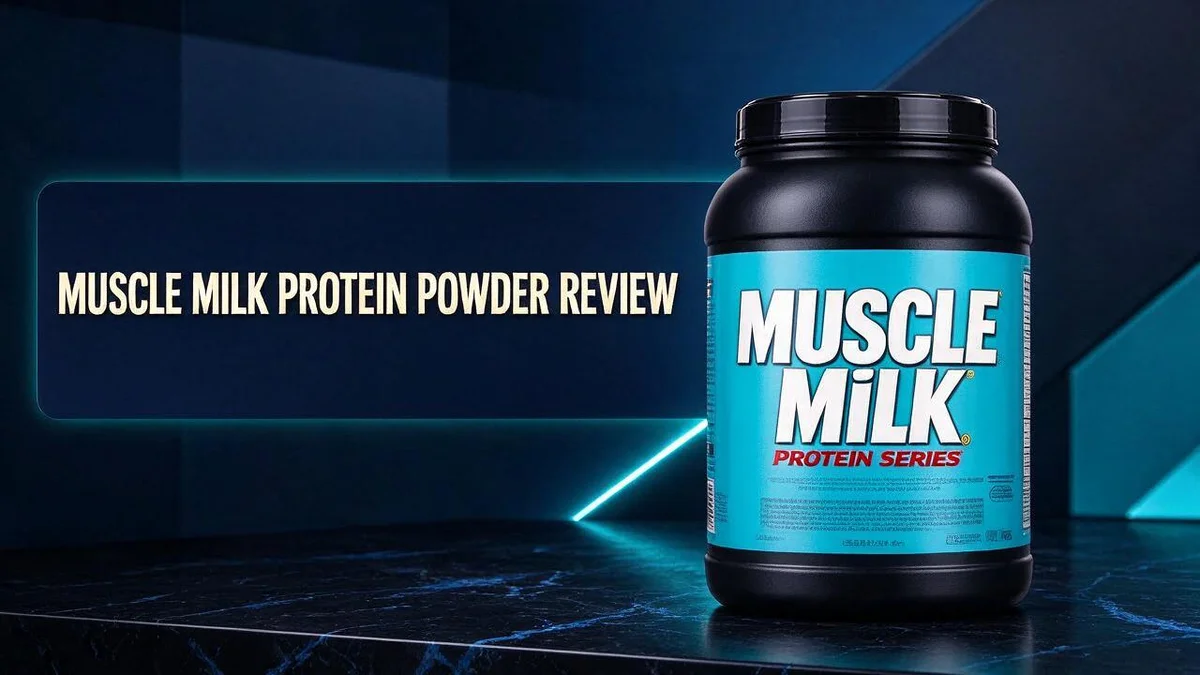
Muscle Milk Protein Powder Review 2026: Worth Your Money?
Looking for a protein powder that fits your workout routine? Muscle Milk has been a popular choice for many gym goers. But is it really worth your time? Let’s take a closer look.
Muscle Milk blends fast absorbing whey protein with carbs. This mix helps your body recover after training. Many people also use it to boost their daily protein intake.
Flavor matters too. Many users praise the zero sugar line for its sweet taste without an artificial aftertaste. Still, some people notice stomach discomfort when they first start.
In this guide, you will learn what Muscle Milk offers. We cover the key pros, the possible downsides, and how it fits different fitness goals. By the end, you will know if this powder suits you.
In a Nutshell
-
Protein heavy formula: Intense Vanilla and Pro Series Knockout Chocolate are about 60.4% protein by weight. Carbs make up 22.6%, so the powder suits post workout needs well.
-
Best for big protein totals: The Pro Series delivers the highest protein per bottle. One scoop can also help you reach your daily protein goal without much effort.
-
Lighter option: The Zero line contains fewer calories. Many fans also praise its sweetness, which comes without an artificial aftertaste. Those who count calories may find it a good fit.
-
Adjustment period: Some people feel mild stomach discomfort at first. Bloating, gas, or cramps can appear while the body adapts to more protein, so start with smaller servings.
-
Watch for sugar and weight: Heavy use may lead to unintended weight gain or sugar spikes. Tracking your daily intake helps you stay on target.
-
Ingredient concerns: Some shoppers question preservatives and flavorings. Anyone with allergies should check labels, since hives, rash, or swelling can occur.
Nutritional Profile and Macronutrient Breakdown

- Contains one (1) 1.93 pound cannister (about 12 servings) of Muscle Milk Genuine Protein Powder...
- HELPS SATISFY HUNGER AND BUILD MUSCLE – Muscle Milk Genuine Protein Powder supplies your body with...

Last update on 2026-11-20 / Affiliate links / Images from Amazon Product Advertising API
Let’s break down what you get in each scoop. Protein leads the way, but carbs and fat play supporting roles.
Carbs make up about 22.6 percent of the formula in Intense Vanilla and Pro Series Knockout Chocolate. Your body stores these carbs as glycogen, which helps muscles recover after hard training.
Fat stays low at about 6.6 percent by weight. That means most of the powder comes from protein and carbs instead of fat.
Water makes up around 10.4 percent of the powder. Each Intense Vanilla serving also contains about 5.5 grams of water.
Your final macros change based on what you mix with. Mixing the powder with whole milk adds more carbs and fat to each shake. Water keeps the numbers closer to the label.
Timing matters for many gym goers too. Carbs and protein together give your body two useful nutrients at once. The carbs can help refill energy stores soon after a workout.
Low fat does not mean low energy. Carbs in the blend provide quick fuel for training sessions.
A higher protein share can help people hit daily targets. Many lifters struggle to eat enough protein from whole foods alone. A shake offers an easy option when meals run late.
Check the label before you buy. Percentages by weight can look different from calories. Protein and carbs provide about four calories per gram, while fat provides about nine.
Tracking these numbers takes little effort. Log the shake once in your app and adjust other meals to match. Small changes add up over the week.
Serving size matters for these percentages. A larger scoop changes the protein and carbs you receive. Even a small change can shift totals. Measure each scoop carefully and read the label each time the flavor changes.
Put simply, the numbers show a protein first formula. Use these facts to see how the shake fits your daily goals.
Taste, Flavor Variants, and Sweetness
Taste often decides whether you stick with a protein powder. A formula can look great on paper, but a poor flavor makes it hard to drink every day.
Muscle Milk offers several flavors, and two favorites stand out. Intense Vanilla and Pro Series Knockout Chocolate give you classic choices for everyday shakes.
Vanilla works well if you want a light, familiar taste. Chocolate suits people who crave a richer, dessert style drink.
Sweetness plays a big role in how each shake tastes. Muscle Milk uses sweeteners to create a treat like finish. Some people enjoy this bold sweetness, while others prefer a milder drink.
The Zero line gets strong praise for sweetness without an artificial aftertaste. Many shoppers say the flavor tastes clean from the first sip to the last.
Mixing style changes the taste too. Cold water keeps the flavor crisp and light. Milk adds creaminess and can soften any sharp notes.
Blending with ice and fruit turns a basic shake into a smoothie style treat. This option helps you enjoy the flavor without feeling bored.
Start with a small container if you are new to the brand. Sampling one flavor first saves you from wasting a full tub on a taste you dislike.
Sweetness also affects how often you want a shake. A very sweet drink may satisfy a sugar craving, but a milder drink may fit better into a daily meal plan.
Texture matters as well. A thicker shake feels more filling, while a thin shake can taste watery to some people.
Taste fatigue is real for many gym goers. Drinking the same flavor every day can make you skip shakes. Rotate two or three favorites to keep your routine fun.
Tip: Check the flavor name on the label before you buy. Flavor names can vary across product lines, so confirm the exact version you want.
Digestive Comfort and Tolerance
Your stomach plays a big role in how a shake feels. A protein powder can look great on paper but still cause trouble in the gut. Good digestion makes it easier to stick with a routine.
Some users report bloating, gas, cramps, or loose stools. These effects often appear when people add a large amount of protein to their day at once. Many notice them most during the first week or two.
Whey is a dairy protein, so dairy sensitivity matters. People who struggle with lactose may feel bloated after a shake. Check the label and talk with a doctor if you already know you react to dairy.
Allergic reactions are rare but serious. Watch for hives, a rash, or swelling in the face or throat. If these signs appear, stop using the product and get medical care right away.
Simple habits can ease the process. Start with a half scoop and build up slowly. Mix the powder with plenty of water so it sits more comfortably in your stomach. Spread your protein across the day instead of taking one large dose.
Sip slowly after a workout rather than gulping the whole shake. Slow sipping gives your gut more time to process the protein.
Fiber and fluid intake also matter. Drinking enough water across the day supports regular bowel movements. Pair your shake with fruit or vegetables for extra fiber, but add them slowly if your gut feels sensitive.
Pay attention to how you feel after each shake. Keep a short daily note for about a week. This helps you spot patterns tied to certain ingredients or portion sizes. If discomfort lasts longer than two weeks, pause use and speak with a healthcare provider.
Everyone reacts differently, so there is no single rule. Some people tolerate a shake with no trouble at all. Others need a slower approach to feel their best.
Top 3 Alternatives
If you want a protein powder that fits your goals, these three options stand out. Each one brings something different to your daily shakes.
Optimum Nutrition Gold Standard

- GOLD STANDARD WHEY PROTEIN - 24 g of premium whey protein per scoop from whey protein isolate and...
- ANYTIME FORMULA - A great choice post run or lift, between meals, with a meal, or any time of day...
Last update on 2026-11-20 / Affiliate links / Images from Amazon Product Advertising API
Optimum Nutrition Gold Standard is a whey protein powder that many gym goers trust. It mixes easily and comes in many flavors. Each serving gives you about 24 grams of protein, which helps your muscles recover after hard workouts.
Many users like its creamy taste. It also works well in smoothies, oatmeal, or baked goods. If you want a classic choice with a proven track record, this powder is a great place to start.
Orgain Organic Protein Powder

- CLEANER INGREDIENTS: 21g of Organic plant based protein and 0g sugar*. Our protein blend contains...
- HIGHER STANDARDS: This product is vegan, contains no erythritol, gluten-free, kosher, made without...
Last update on 2026-11-20 / Affiliate links / Images from Amazon Product Advertising API
Orgain Organic Protein Powder is a plant-based option for people who avoid dairy. It uses organic pea and brown rice protein. The formula also includes greens and fiber, so it can feel like a light meal replacement.
Its mild vanilla and chocolate flavors blend nicely with fruit. This powder suits anyone who wants clean ingredients and a gentle choice for the stomach.
Dymatize ISO100 Whey

- OUR BEST-QUALITY PROTEIN: Dymatize ISO100 is our highest-quality protein, and it is designed to...
- WITH YOU, WE PUSH WHAT IS POSSIBLE: Just like you push to improve, Dymatize pushes protein to the...
Last update on 2026-11-20 / Affiliate links / Images from Amazon Product Advertising API
Dymatize ISO100 Whey is a whey isolate that offers high protein with very little fat and sugar. The filtering process removes most of the lactose, so many people with sensitive stomachs handle it well. It dissolves quickly and mixes smoothly with water.
Athletes often pick this powder when they track their macros closely. If you want a lean protein that absorbs fast, this one deserves a look.
Ingredient Transparency and Additives
Ingredient transparency means you can see exactly what goes into your shake. Many buyers feel uneasy about preservatives and flavorings. That concern makes sense, so let’s look at it closely.
Ingredient lists run in order of weight. The first few items make up most of the powder. Additives near the end usually appear in small amounts.
Flavorings can come from natural or artificial sources. Some labels say “natural flavors” without naming the source. A quick look at the brand website can fill in those gaps.
Independent lab testing offers another layer of trust. Look for a seal from an outside lab on the packaging or website. These groups check that the contents match the label. They also screen for certain contaminants.
Sweeteners deserve a close look too. Some powders use sugar alcohols or other sweetening agents. These can cause gas or loose stools for some people. Compare the sweetener list across flavors because the ingredients may differ.
Some shoppers also want to know whether a product contains gluten or soy. Those details often appear in small print near the ingredient list. Read the allergen statement too, even when you feel confident.
Transparency also means the brand explains its sourcing. Ask where the whey comes from and how it gets processed. Clear answers show a company that values openness.
Contacting the brand gives you direct answers. Ask customer service for a full ingredient breakdown or a certificate of analysis. Reputable companies usually respond clearly. Their reply shows how open they are about their process.
Build a personal avoid list. Write down each additive you prefer to skip. Then scan each new tub against that list. This habit turns a confusing label into a quick yes or no.
A clean label does not guarantee a perfect fit. Your body still reacts in its own way. Use the ingredient review as one step, not the final word.
Serving Size, Mixability, and Daily Usage
Serving size sets the tone for your whole day. Always check the label first. Use the scoop that comes in the tub, and level it off with a knife.
Measure every scoop. Heaping scoops add extra calories and protein without you noticing. Over a week, that small gap adds up fast.
Mixability depends on your liquid and tools. Pour the liquid in first. Then add the powder slowly while the shaker runs.
A shaker with a wire ball helps. It breaks up lumps better than a spoon. Shake for about 15 seconds, then let the drink rest for a minute so foam settles.
Some people prefer cold water for a thinner drink. Others choose milk for a creamier base. Milk adds more calories, so count it in your daily total.
Daily usage works best when you plan it. Think of one shake as a tool, not a meal replacement. It fills gaps when you miss protein at lunch or after a long training day.
Timing matters after exercise. Whey digests quickly, so a shake after a workout suits many people. Carbs in the mix also help refill energy stores.
Rest days need a different plan. Many people skip the extra shake on those days. Lower activity means your body needs less protein support.
Track your totals for the week. Add up protein from food and shakes. Compare the number with your goal, then adjust servings up or down.
Choose the line that fits your goals. The Pro Series offers the most protein per bottle. The Zero line keeps calories lower, which helps on cut days.
Keep a shaker at your desk or gym bag. Ready access makes it easier to hit your daily target.
Remember that extra servings can add calories. Too many shakes may lead to weight gain. Balance your routine with whole foods, vegetables, and enough water.
Pros and Cons
Pros
- Fast absorbing whey helps muscles recover after training.
- Carbs in the shake help refill energy stores in your muscles.
- One scoop can boost your daily protein without a big meal.
- The zero sugar line tastes sweet without a fake aftertaste.
- The Pro Series packs the most protein per bottle.
Cons
- Calories can add up and lead to unplanned weight gain.
- Some sweet blends may cause sugar spikes in sensitive people.
- Signs like hives, rash, or swelling need quick medical care.
- Heavy use may crowd out whole food protein like eggs or beans.
Who Should Buy It
Muscle Milk suits people who train hard and struggle to eat enough protein. Long shifts and tight schedules make whole food meals hard to plan. A ready shake can fill that gap fast. Gym regulars often find that a shake helps them hit daily targets.
Beginners often feel overwhelmed by protein charts and math. The label makes it easy to track each serving. Simple routines often lead to better results over time.
Older adults who want to protect muscle mass may find it helpful too. Many people lose muscle as they age, so extra protein can support daily strength. Gentle daily use can fit neatly into a morning routine. A doctor should still review any new supplement plan first.
On the other hand, some people should skip this powder. Anyone with a known milk allergy should avoid it. Whey comes from milk, so the risk is real. Read the label before you buy if you have allergies.
People with sensitive stomachs may want to wait. Digestive upset often appears during the first few days. Starting with a half scoop can help the body adjust. Mild symptoms usually fade once the body gets used to it.
Sugar watchers may prefer the zero sugar line. People managing diabetes should check with a healthcare provider before adding any sweetened shake. Shoppers who dislike sweet drinks may want a lighter option.
Vegans and people who avoid animal products should look elsewhere. This powder uses dairy protein, so plant options may suit them better. Plant eaters may find pea or soy blends a better match.
Think about your daily life first. Ask whether you truly need extra protein or just want convenience. Clear goals help you decide if this powder earns a place in your routine. Smart choices lead to better results than hype.
Final Verdict
Muscle Milk is a helpful tool for many active people. It makes protein easier to reach. It does not replace real meals.
The product earns its place in many kitchens. Its strengths are clear. Its drawbacks are also real. Smart buyers weigh both sides before they commit.
Think of your first two weeks as a trial run. Start with a half scoop. Watch how your stomach responds. This gentle start helps your body adjust to higher protein.
Pay close attention to your body signals. Bloating, cramps, or stomach upset mean you should slow down. Persistent problems deserve a call to your doctor. Your health always comes first.
People with kidney concerns, diabetes, or other medical conditions should speak with a healthcare provider first. They can confirm whether added protein fits your plan. This simple step prevents guesswork.
Think about the bigger picture of your diet. A shake works best as a backup, not the main event. Fresh foods still deliver fiber, vitamins, and minerals that powder lacks. A balanced plate still matters most.
Here is the simple verdict. Muscle Milk suits hard training days and busy schedules. It fits less well for sensitive stomachs or people who avoid dairy entirely. Choose it with clear goals and honest expectations.
Keep your expectations realistic. Protein powder supports muscle growth, but training and sleep do most of the work. Consistency beats any single product every time.
Results take time. Many people notice steadier recovery after several weeks of steady use. Patience helps you judge the product fairly.
Read your results honestly each month. Write a short note on energy, digestion, and training progress. Notes make your decision clearer than memory alone.
Give it a fair test, then decide. If the taste, texture, and daily feel work for you, keep it. If not, switch without guilt. Your body and your goals should guide the final choice.
Frequently Asked Questions
When is the best time to drink it?
Many people drink it right after a workout. Others like it with breakfast or as a mid afternoon snack. Pick the time that fits your routine and stick with it for a few weeks.
Does it fit a low fat diet?
The Intense Vanilla blend is low in fat. That makes it a good match for people who track their fat intake. Always check the label for the exact flavor you buy.
Should I read the ingredient list?
Yes, reading the label is a smart habit. Look for preservatives and flavorings that you prefer to avoid. Compare flavors, because ingredients can vary from one line to another.
Can it replace a meal?
Not really. It works better as a snack or an extra boost of protein. A full meal gives you more fiber, vitamins, and minerals than a shake alone.
Can children drink Muscle Milk?
This powder is made for adults who train hard. Kids have different nutrition needs. Ask a pediatrician first before giving it to a child.

Hi there! I’m Jane, the founder and lead reviewer behind SupplementReviewed.blog. I believe everyone deserves access to transparent information about what they’re putting in and on their bodies.