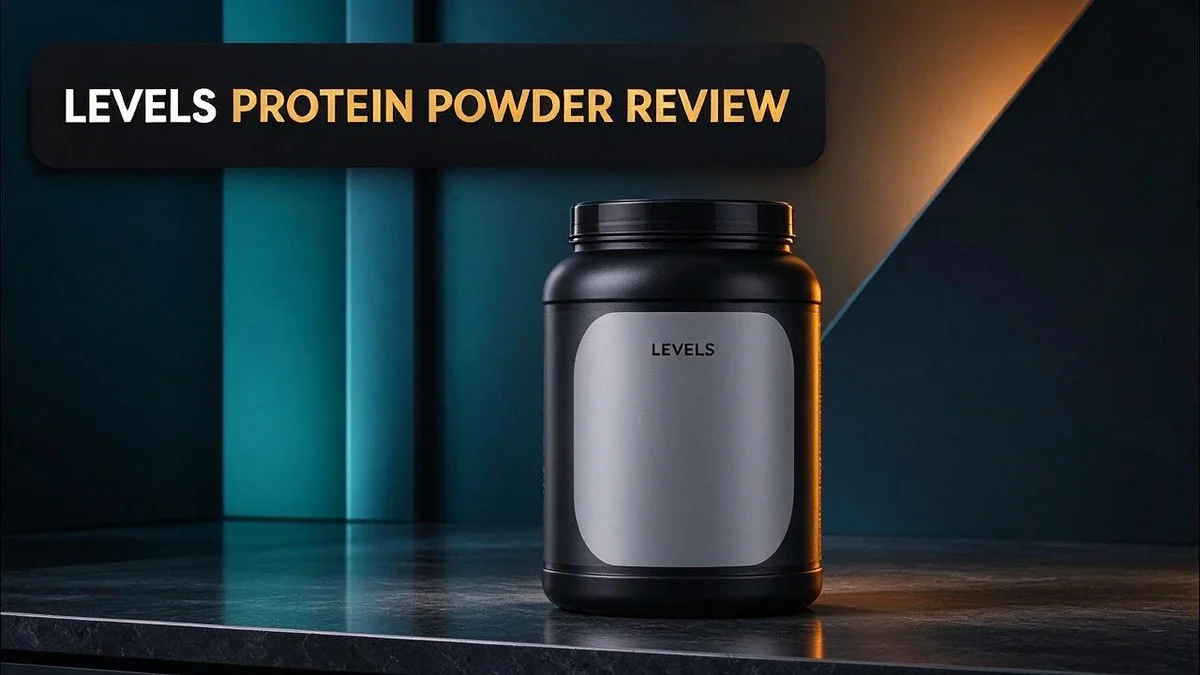
Levels Protein Powder Review: Is It Worth Your Money?
Looking for a protein powder that tastes good and fits your goals? Levels might be the answer you need.
Levels Nutrition Vanilla Bean packs 24 grams of protein per scoop. It keeps carbs at just 3 grams and sugar at 2 grams. That makes it a smart pick for busy days.
Many shoppers sweeten their shakes with monk fruit and stevia. Levels uses both instead of added sugar. Reviewers often say it blends well and tastes great.
Still, it is not perfect for everyone. Some people find it a little chalky. Others may feel bloating after whey.
In this review, we will look at what Levels offers, who it suits, and how it compares to other options.
In a Nutshell
-
Clean label claims: Levels says its powder skips hormones, GMOs, added sugar, soy, gluten, bleach, fillers, and artificial flavors. Label-focused shoppers often appreciate that list.
-
Strong shopper ratings: Over 5,000 people rate it around 4.5 stars. The grass fed vanilla version earns about 4.7 out of 5.
-
Grass fed ingredient differences: Ingredient lists vary between listings. One version uses whey protein concentrate, while another lists grass fed whey isolate and sunflower lecithin as the only two ingredients.
-
Taste and mixing: Reviewers often praise the flavor and how well it blends. This matters most for people who dislike lumpy shakes.
-
Digestive side effects: Whey can cause bloating, cramping, or indigestion for some people. Ease into it slowly if your stomach runs sensitive.
-
Heavy metal concerns: Protein powders in general may contain lead, cadmium, or arsenic. Look for brands that share third party test results.
-
Other options to compare: Kirkland whey is a direct rival. Transparent Labs Organic Vegan Protein suits plant based eaters, while egg white and collagen protein offer other alternatives.
Protein Quality and Ingredients

- LEVELS WHEY PROTEIN: Each scoop of Levels Vanilla Bean Whey contains 24g Protein, 5.4g BCAAs...
- NOTHING FAKE: Levels Whey is naturally delicious. That means no hormones, no GMOs, no added sugars...
Last update on 2026-11-14 / Affiliate links / Images from Amazon Product Advertising API
Protein quality starts with the ingredients. Levels builds its powder around whey, and the exact form can change between listings.
Whey concentrate keeps more fat and lactose. Whey isolate goes through extra filtering, so it usually packs more protein into each gram.
One listing for the grass fed version names whey concentrate. Another lists grass fed whey isolate as the only protein source.
Always check the ingredient panel on the tub you plan to buy. Labels can change over time, so the packaging in your hand matters most.
Sunflower lecithin also appears in the list. It acts as an emulsifier, which helps the powder mix smoothly and resist clumps.
Sea salt provides the small amount of sodium in each scoop. For most people, that level fits easily into a normal daily diet.
Monk fruit and stevia supply sweetness without added sugar. Both come from plants, so they appeal to people who avoid table sugar.
Sweetener tolerance varies from person to person. A small trial bag or single serving helps you judge the taste before you commit to a large tub.
Clean label claims sound reassuring, but they do not replace testing. Look for independent lab testing printed on the packaging or on the brand website.
Heavy metal levels can vary between batches. Brands that publish recent test results give shoppers more confidence in what they drink.
Measuring each scoop with the provided spoon keeps protein intake steady from day to day. Consistent portions make it easier to track your results.
Read allergen notes carefully if you have dairy sensitivities, since whey comes from milk. This step protects you from surprises after your first shake.
Compare labels side by side with another brand you trust. Look at protein per serving, sugar, sodium, and the order of ingredients.
Ingredients listed first make up the largest share of the powder. That is why whey should sit at the top of the list.
Overall, the ingredient list looks short and simple. Fewer additives often make a shake easier to fit into daily routines.
Taste and Mixability
Taste often decides whether people stick with a protein powder. Mixing matters just as much. Here is what to expect from Levels in daily use.
Your liquid choice changes the result. Water gives a light, clean shake. Milk adds creaminess and extra calories, so it suits a post workout drink or a meal replacement.
A shaker bottle with a wire ball works well for this powder. Add the liquid first, then the scoop. This order helps the powder dissolve with fewer clumps.
Cold liquid can work well too. Many people blend the shake with ice for a thicker texture. Blending also smooths out small lumps that a shaker may leave behind.
The sweetness stays mild, so many people add fruit for a little extra flavor. A banana, frozen berries, or a spoon of peanut butter can make the shake feel more like a treat.
Start with a small batch. One scoop in a small amount of liquid lets you judge the flavor. You can then adjust the liquid level to suit your taste.
Try the powder in oatmeal or baked goods for variety. Stir it in once the food cools slightly. High heat can change the texture and make the protein clump.
Foam can appear after a fast shake. Let the drink rest for a minute. The bubbles usually settle, and the texture looks smoother.
Your palate matters, too. Give the powder a full week before you decide. Taste buds often adapt to new flavors over time.
For thicker recipes, a spoon or whisk works better than a shaker. Use a whisk for pancake batter or pudding. This method spreads the powder evenly and avoids lumps in the final dish.
Drink the shake soon after mixing. Powder can settle at the bottom of the glass over time. Stir again right before you drink it.
Nutrition Profile Per Scoop
Each 32 gram scoop packs 24 grams of protein. That means protein makes up about 75 percent of the scoop. The rest comes mostly from small amounts of carbs and minerals, so the profile stays lean.
Think of the scoop as a protein boost rather than a full meal. It works best as an add-on to a balanced plate.
Carbs and sugar stay low too. One scoop holds 3 grams of carbohydrates and only 2 grams of sugar. This makes the powder simple to fit into a plan that tracks carbs closely.
Potassium adds a useful extra. Each scoop provides 160 milligrams. Potassium helps muscles contract and supports fluid balance, especially after a sweaty workout.
Fruit and vegetables still lead as the top potassium sources. The scoop simply adds a bit more on top of those foods.
Iron contributes only a small amount. Each scoop gives 0.2 milligrams. This powder works as a protein source, not an iron source. Pair it with leafy greens, beans, or lean meat to cover iron needs.
Use these numbers for meal planning. A scoop in a morning shake covers a large share of protein at breakfast. This helps people who struggle to eat enough protein early in the day.
Compare the scoop with your daily target. Many adults aim for about 0.8 grams of protein per kilogram of body weight. One scoop covers a big slice of that goal, but whole foods should supply the rest.
Tracking helps too. Log your shakes and meals for one week. This shows where your protein totals land and where gaps appear.
Pairing matters too. Adding a banana before a workout gives your body quick carbs for fuel. Pick the mix that matches your training and appetite. Your goals decide which combination works best for you.
Top 3 Alternatives
Optimum Nutrition Gold Standard

- GOLD STANDARD WHEY PROTEIN - 24 g of premium whey protein per scoop from whey protein isolate and...
- ANYTIME FORMULA - A great choice post run or lift, between meals, with a meal, or any time of day...

Last update on 2026-11-14 / Affiliate links / Images from Amazon Product Advertising API
Many gym goers start with this powder. It mixes smoothly and comes in many flavors. Each scoop gives you a solid dose of protein to support muscle recovery.
Why people like it: The formula blends whey protein isolate and whey protein concentrate. It has a long track record in gyms around the world. Many users say it sits well after workouts.
Dymatize ISO100

- OUR BEST-QUALITY PROTEIN: Dymatize ISO100 is our highest-quality protein, and it is designed to...
- WITH YOU, WE PUSH WHAT IS POSSIBLE: Just like you push to improve, Dymatize pushes protein to the...
Last update on 2026-11-14 / Affiliate links / Images from Amazon Product Advertising API
This option focuses on whey protein isolate. The extra filtering removes most of the fat and lactose. That makes it a good pick for people who feel bloated after other shakes.
Best for: Anyone who wants a lean, clean drink. It mixes well in cold water and feels light on the stomach. Fans also enjoy its wide range of flavors.
Myprotein Impact Whey

- Whey Protein Powder: Myprotein Impact Whey Protein delivers 22g of protein per serving to help...
- Chocolate Milkshake Protein Shake: Smooth and creamy chocolate milkshake flavor mixes easily with...
Last update on 2026-11-14 / Affiliate links / Images from Amazon Product Advertising API
This whey blend offers a practical choice for daily shakes. It delivers a good amount of protein in every serving. You can add it to smoothies, oats, or pancake batter.
Good to know: The powder dissolves easily with a shaker bottle. It works well for beginners and experienced athletes alike. Many people like how it fits into a busy routine.
Digestion and Tolerance
Digestion matters just as much as taste. A protein powder can taste great and still leave your stomach upset. Some people feel fine, while others notice discomfort soon after a shake.
Whey protein can cause a few common issues. Bloating, cramping, and indigestion show up often. Some people also notice diarrhea or constipation, so pay attention to how your body responds.
Your body needs time to adjust to any new supplement. Start with a half scoop for the first few days. Mix it with water first. Then move up to a full scoop if your stomach feels calm.
Timing can also make a difference. Some people prefer a shake after a workout instead of on an empty stomach. Others find that a shake with a small snack feels easier to handle. Some people also spread their shakes across the day rather than drinking one large serving at once. Try a few options and see what works.
Keep a simple symptom journal. Write down the time you drink your shake, the amount, and how you feel over the next few hours. Patterns often show up within a week. This record also helps you spot whether something else in your diet triggers the discomfort.
Eat slowly and drink plenty of water throughout the day. Fiber from vegetables, fruit, and whole grains keeps digestion regular. Water also helps fiber move through your gut smoothly. A protein shake works best as one part of a balanced routine, not a replacement for real meals.
Know when to stop. Pause the shake if pain, persistent diarrhea, or swelling appears. Speak with a doctor or dietitian before you continue, especially if you have a digestive condition. Your health always comes first.
Most people adjust within a couple of weeks. Stay patient and listen to your body. Comfortable digestion helps you enjoy your protein routine for the long run.
Pros and Cons
Pros
- Claims no hormones, GMOs, added sugar, soy, or gluten
- Uses monk fruit and stevia for sweetness
- Earns a 4.5 star rating from more than 5,000 shoppers
- The grass fed vanilla version scores 4.7 out of 5
- Reviewers say it blends well
Cons
- One reviewer found it chalky and less smooth than Kirkland whey
- Ingredient lists differ between grass fed listings
- Its whey base may not suit people who avoid dairy
- Shoppers should check the label for the exact ingredients
Label Claims and Contaminant Testing
Label claims sound clean, but proof matters. Levels says its product has no bleach, fillers, or artificial flavors. A label claim is the brand’s own statement. It is not a result from an outside lab.
Heavy metals are a real concern for the whole protein category. Lead, cadmium, and arsenic can show up in many powders. We did not find public lab reports from Levels, so buyers cannot easily check these levels.
Look for third party testing. Seals from outside groups show that a lab checked the product. Common examples include NSF Certified for Sport and Informed Choice. Check the tub or the brand website before you buy.
Read the wording with care. Terms like clean or pure have no firm meaning on most labels. The supplement facts panel shows what goes into each scoop. The claims section shows what the brand wants you to notice. Read both before you decide.
Ask the brand direct questions. Contact customer service and ask for a certificate of analysis for your lot number. Many good companies share this document. A vague answer is a warning sign.
Watch for a clear lot number. A clear lot number links the tub to its test results. If the label has no lot code, that may make checking harder. Look for dates and codes near the bottom of the container.
Keep your own record. Take a photo of the label and the lot number. This helps if you need to report a problem later. You can also rotate between products so you do not rely on one brand every day.
Stay calm about the risk. Trace amounts do not always mean a product is unsafe. Still, heavy metals deserve attention, especially for kids, pregnant people, and anyone with kidney concerns. Talk with a doctor if you have questions.
Share feedback with the brand. Report any odd taste, smell, or color to customer service. Keep the tub sealed and dry between uses. Clear reports help other shoppers too.
Who Should Buy It
Levels suits people who want a high protein shake with very little sugar. It also works for people who count macros closely. Busy adults can rely on it for a fast protein boost.
Weight loss goals may also make this powder a useful pick. A shake can keep hunger in check between meals. Many people drink one as a light breakfast or afternoon snack.
Older adults often need more protein to keep muscle strong. This powder can fill that gap without a large meal. Anyone with kidney concerns should ask a doctor before starting.
Picky eaters may enjoy this option too. Many reviewers praise the flavor and how well the powder mixes. Good taste makes daily shakes much easier to stick with.
Athletes who train hard can also benefit. Protein needs rise with heavy training, and a shake makes hitting the target easier. Many lifters prefer a shake within an hour after training.
Students and office workers may like the simple routine. A scoop takes seconds to mix between classes or meetings. Keep a shaker in your bag for easy access.
Some shoppers should look elsewhere. Strict vegans need a plant based choice, such as Transparent Labs Organic Vegan Protein. Egg white and collagen powders also offer different options for people with specific needs.
Whole food lovers may skip powders entirely. Eggs, Greek yogurt, beans, and chicken all deliver solid protein. A powder works best as a helper, not a full diet plan.
Think about your routine first. A shake works well when you have little time to cook. Shakers and blender cups make mixing quick in the morning. Keep the tub near your kitchen so you remember to use it.
In short, this powder suits active adults who want good taste and an easy routine. Vegans and whole food fans should look at other options first.
Final Verdict
So, is Levels worth a spot in your kitchen? For most people, the answer leans positive. The protein numbers look strong, and many buyers praise the taste.
The best test is your own taste buds. Try a single tub first, or ask a friend who already uses it.
Think of this powder as a helpful daily tool, not a magic fix. It gives your body a solid protein boost. Still, it works best alongside fresh meals rather than replacing them.
Blending makes a difference. Reviewers often mention how well the powder mixes. Smooth blending turns a daily shake into a habit you enjoy rather than a chore.
Plant based eaters have other options. A plant based choice like Transparent Labs Organic Vegan Protein fits those who eat only plants. Egg white and collagen powders also give you other routes to explore.
Check your current intake. Track your normal meals for a few days. Many people discover a gap in their daily protein, and a shake can fill it.
Start slowly. A half scoop on day one gives your body time to adapt. Build up to a full serving once you feel comfortable.
Try a few easy mixes. Blend a scoop with frozen fruit, a splash of milk, and ice for a thick treat. Stir it into plain oats for a warm breakfast that keeps you full longer.
Compare before you commit. Read a few recent reviews before you add it to your cart. Recent ratings often show whether a formula still tastes the same over time.
Keep your routine flexible. Use the powder on training days, busy mornings, or late snack breaks. Flexibility keeps the habit fresh and makes it easier to stick with.
Our final take is simple. Levels earns a spot on your shelf if you want solid protein and easy mixing. Stay alert, keep testing, and trust your own experience most of all.
Frequently Asked Questions
Does Levels protein powder taste good?
Many reviewers say the flavor is pleasant and mixes well. Some find it a little chalky, so a longer blend can help.
Can whey in Levels upset a sensitive stomach?
Whey can cause bloating, cramping, or indigestion for some people. If you feel these symptoms, pause and talk with a doctor before you keep drinking it.
Does Levels use real sugar?
No, it uses monk fruit and stevia for sweetness. Some people dislike the aftertaste of stevia, so taste a small amount first to see if you like it.
How does Levels compare with Kirkland whey?
Reviewers often compare these two directly. One reviewer said Levels felt less smooth than Kirkland. Your taste buds and texture preferences will decide which one wins for you.
Should I check the ingredient list on each tub?
Yes, because ingredient lists can differ between versions. One listing includes sunflower lecithin, sea salt, and sweeteners. Another lists only two ingredients, so read the label on your exact product.

Hi there! I’m Jane, the founder and lead reviewer behind SupplementReviewed.blog. I believe everyone deserves access to transparent information about what they’re putting in and on their bodies.